
Order the cacio e pepe at any trattoria in Rome and you'll see it: a bowl of pasta that looks like it took five minutes to make. It didn't. The sauce clings to the strands without a drop of cream, and the pepper hits you before the cheese does. That balance is what Locatelli is about—not a brand, not a chef's last name on a menu, but a way of treating ingredients like they cost you something. I watched a cook in Testaccio crack black pepper into a dry pan, toast it for exactly twelve seconds, then add a ladle of pasta water. No measuring. No timer. Just the sound of the pan telling him when to move. That's your first Locatelli lesson: pay attention to what the food is doing。not the recipe card.You don't need a pantry full of imported goods to cook this way. Locatelli starts with what's already in your kitchen. Take stale bread. Most people toss it. A Locatelli-minded cook tears it into chunks, drizzles it with olive oil, and rubs it with a cut tomato. Ten minutes in a hot oven and you have panzanella base that beats anything from a box. I've seen home cooks in London do this with supermarket baguettes and cherry tomatoes from the discount bin. The result?
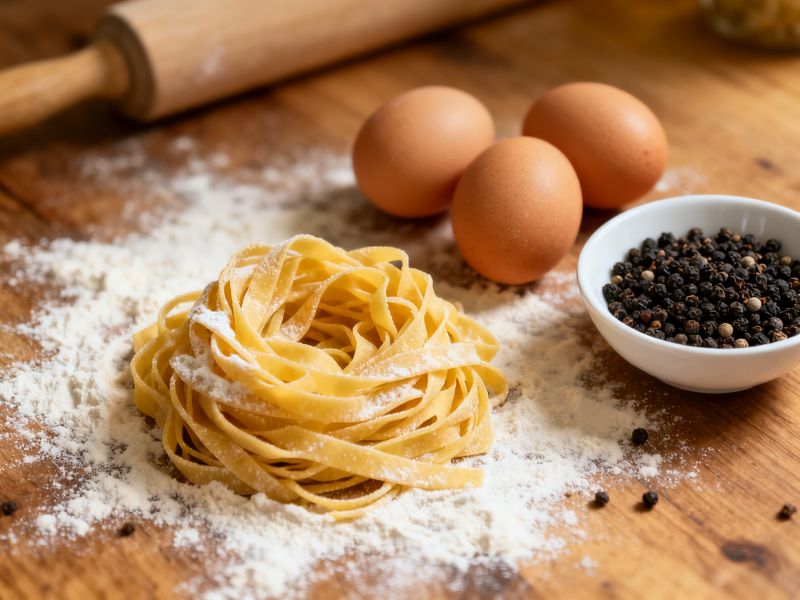
A salad that tastes like summer。not like a compromise. Locatelli isn't about luxury. It's about refusal—refusing to waste, refusing to overcomplicate, refusing to treat a simple ingredient as inferior.Here's where most people mess up. They read a Locatelli recipe, see 'fresh pasta' and assume it means a two-hour project. Wrong. I made tagliatelle last Tuesday between email replies. Flour on the counter, two eggs, a pinch of salt. Mix, knead for six minutes, wrap in plastic。forget about it for half an hour. Roll it thin, cut it wide, cook it for ninety seconds. The whole thing took less time than scrolling through a delivery app. The point of Locatelli isn't to make you a slave to the stove—it's to make the stove worth your while. A jar of good butter, a handful of sage, and that pasta becomes something you'd pay eighteen euros for in a restaurant that spells 'Locatelli' on the chalkboard.Seasonal eating gets a bad rap for being preachy. Locatelli makes it practical. Right now, in late October, that means squash, chestnuts, and the last of the tomatoes. I roasted a butternut squash last night—skin on, seeds scooped, cut into half-moons. Olive oil。salt, a few unpeeled garlic cloves thrown in for the last ten minutes. Mashed it with a fork, stirred in grated parmesan and a splash of the pasta water I'd saved from the day before. It became a sauce for rigatoni. No cream, no butter needed. My neighbor asked for the recipe. I told her: 'Look at what's on the counter. Then use it.' She laughed. Then she tried it. That's the Locatelli method in one sentence.The final piece is the hardest to write down: taste as you go. Sounds obvious, but most people don't. They follow a recipe。plate the food, and only then realize the salt is off. Locatelli cooking demands a spoon in the pot every two minutes. Adjust. Add a splash of vinegar if it's flat. A pinch of sugar if the tomatoes are acidic. A knob of cold butter at the very end to bring everything together. I keep a small bowl of flaky salt next to the stove—not because I'm fancy, but because reaching for it reminds me to check. That habit alone will improve your cooking more than any gadget. Locatelli isn't a cuisine you master. It's a set of reflexes you build. And once they're there, you stop needing the recipe.